
Virtual Reality
Explore the Virtual Reality Social Scene with These Top Platforms

Virtual Reality Social Scene with These Top Platforms
Are you looking for ways to connect with others while exploring a virtual reality social? Whether you are a gaming enthusiast, a virtual social butterfly, or just looking to dip your toes into the digital realm, you’ve come to the right place! In this blog post, we’ll cover the top virtual reality platforms out there, and give you a glimpse into the vibrant social scene of the virtual world.
Ready? Let’s put on our virtual headsets and explore the possibilities!
Quick Overview of Key Points
Virtual reality creates an immersive environment that allows you to interact with others in ways that were not possible before. Popular VR social experiences include VRChat, Bigscreen, and Rec Room.
How Virtual Reality is Changing Socializing
Virtual reality (VR) is transforming socializing in a variety of ways, from providing novel experiences to allowing for better connectedness. VR gives people the chance to immerse themselves in virtual environments, leading to unparalleled feelings of presence and interaction within those locations. People can talk, feel closer together, and even interact with one another in ways that simulate the real thing in a virtual world. Furthermore, because of its immersive capability, it’s much easier for people to get more engaged through activities like playing games or watching movies together from distant and disparate locations.
Additionally, VR offers users the capacity to escape from reality and connect with friends in a whole new way. Imagine being able to explore foreign lands or to create their own digital realities without ever needing to leave your home? It’s no wonder why so many people have adopted this technology as their go-to method for socializing. With VR, people can be at the same place at the same time regardless of location or distance, creating an interconnected virtual space that anyone can access.
However, there are still some flaws with attempting socialize solely through such technology — namely feeling socially disconnected after prolonged use due to lack of human contact and physical cues. It’s important to note that while technology has been a great supplement for socializing during the current pandemic situation and beyond, nothing beats actually talking face-to-face with someone on a meaningful level.
Navigating these waters is not an easy task; however, users who find a balance between using technology when needed and engaging with people outside the virtual sphere will find success. As our society continues to adapt and lean further into digital technologies such as VR for connecting with one another, it’s increasingly important to remember that true connection comes from both within and without. To truly experience all that VR has to offer while also fostering meaningful relationships along the way, we need a combination of both realms working together in harmony.
With such vast changes brought forth by virtual reality pushing us towards immersive experiences and better connections than ever before, it’s time we turned our attention towards exploring just what kinds of connections we can create within this new digital landscape — let’s see just how deep we can dive into the possibilities!
Essential Summary Points
Virtual Reality (VR) is changing the way people socialize by offering an immersive experience that allows them to interact with and feel closer to one another regardless of location or distance. Although VR is a great tool for enhancing social connections, there are drawbacks including feeling socially disconnected after extended use due to lack of physical contact and cues. To make the most out of VR technology while fostering meaningful relationships, both real-world and digital connections should be utilized together in harmony.
Immersive Experiences & the Ability to Connect
Immersive experiences and the ability to connect are two of the most attractive features of virtual reality socializing. For many people, having a realistic shared experience can bring about a level of connection beyond what is possible in traditional online chats. It has been suggested that the neural pathways established when we interact with others in immersive 3D spaces may be more similar to those produced during face-to-face interactions, allowing us to forge real bonds with each other.
However, for others, virtual reality social makes it too easy to escape from our real lives. There are concerns about how comfortably some people may transition between their outworld and inworld identities, potentially leading to psychological detachment from their everyday life. Strict controls need to be considered for those who might spend too much time in these virtual realms, as well as measures to assure users they will not be exposed to harm or unwarranted attention within these immersive worlds.
These elements represent only a fraction of the considerations that need to be taken into account when exploring the potential for virtual reality socializing. Nevertheless, it is clear that there is much potential for socialization within these new 3D realms – if handled safely and responsibly. As we move on from here, let’s take a closer look at some of the platforms available which allow users to experience, collaborate, and connect with each other digitally via this cutting edge medium.
Social VR Platforms & Interactions
The introduction of virtual reality into the social scene has opened up a world of opportunities for users to connect and experience immersive activities. While VR can add a heightened level of enjoyment in gaming and communication, there are some who take issue with the socially interactive elements these platforms offer.
On one side, there are those who claim that social VR provides valuable opportunities for users to interact and engage with others while they explore their individualized virtual worlds. Social platforms like High Fidelity and Sansar foster strong communities where users have the ability to talk in voice chat, host events, engage in activities like jam sessions, and create shopping environments or game arenas together with others. There’s no denying that these powerful tools have allowed users to easily connect across long distances, bridge language barriers, and build meaningful connections through its many features.
Those on the opposing side may argue that with great access comes great responsibility. As users become more immersed in virtual reality, critics worry about data privacy issues as well as potential for cyberbullying or harassment. There’s also the risk of online predators infiltrating these platforms if proper safety protocols are not enforced; especially since this technology is still relatively new to the market.
Despite any safety concerns, it’s important to note that there are several reliable methods developers have implemented to ensure user safety and privacy settings are respected. From utilizing data encryption to introducing parental control features, multiple steps have been taken by top companies within this industry to allay these fears and keep interactions secure. By understanding the potential negatives associated with social VR but taking swift action to address them appropriately; buyers can feel confident knowing that their personal information is being properly protected when engaging in activities within these virtual realms.
By pushing boundaries and blurring lines between physical reality and digital ecosystems; virtual reality social provides a unique set of tools allowing users to come together in ways never thought before possible. With its vast potential for entertainment activities, gaming adventures, educational opportunities, and social engagements; VR creates an endless stream of possibilities tailored specifically for each individual user. As we move forward into this exciting space; it’s essential we remain mindful of both its abilities while understanding potential hazards – all in order to enjoy the full range of benefits it offers as we explore what it has to offer within our communications and gaming experiences.
A study published in 2018 examining the effect of Virtual Reality (VR) on social behavior found that using a virtual environment increased social identifications.
According to a 2017 study, VR can be used as a viable tool to induce strong social presence and promote positive behaviors during social interaction tasks.
Research conducted in 2019 found that users who interacted with another person via VR had greater empathy and improved recognition of emotion compared to those who interacted with an avatar, or non-player character.
Enjoyment in Gaming & Communication
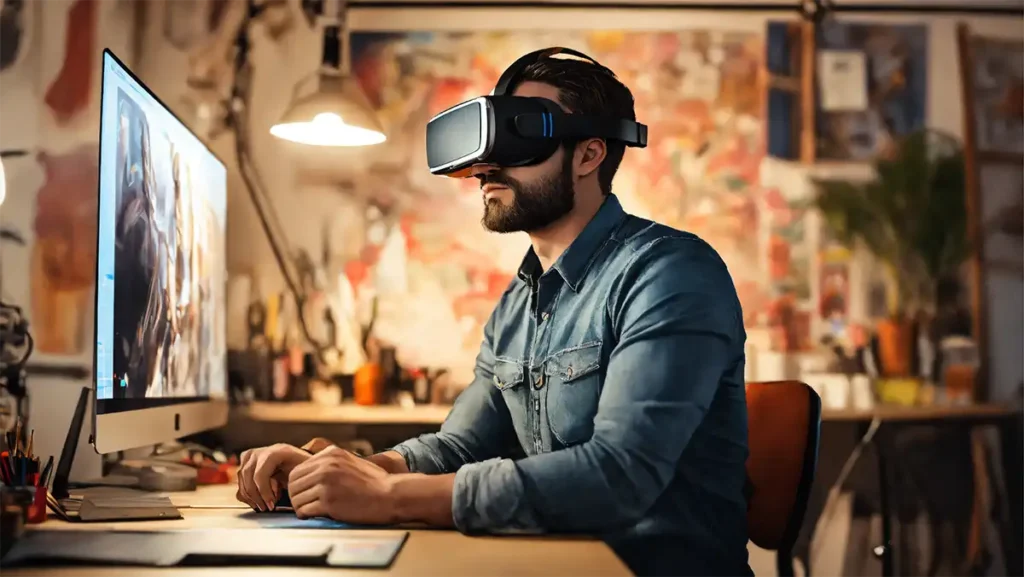
Virtual Reality has become a tool for both gaming and communication. As the development of VR technology advances, so too does the fun and immersive experiences it offers. From playing virtual reality games with friends to creating virtual hangouts, people are increasingly looking to VR technology for entertainment and social interaction.
The ability to game with others or communicate through virtual worlds can provide enjoyment in an unprecedented way. Many find it fun to team up with friends to play classic board games adapted for the VR realm or use avatars to explore new realities. Meanwhile, the emergence of 3D avatars, chat rooms, and other applications make socializing more interesting than ever before.
Of course, there are two sides to every argument. Some may argue that VR technology often isolates users from one another, as each individual interacts only with their own personal avatar; providing less capacity for meaningful real-life conversations than traditional methods such as face-to-face conversation or phone calls.
However, evidence suggests that people still get just as much satisfaction out of their connection with others through these alternate methods of socialization as they do in person. People feel an increased sense of agency when engaging others in VR — making them more comfortable and open — which can facilitate better understanding between two parties.
Thanks to its immersive experiences, virtual reality offers people outlets for creativity that cannot be matched by any other form of media. As we move further into the future of VR technology, various platforms will no doubt continue to advance entertainment and communication in unique ways. In the next section, we will look at how life-like stories can be shared on virtual reality, adding yet another layer to the power of this technology.
Sharing Life-Like Stories on Social VR
VR provides people with a new way of consuming and experiencing stories, which allows users to feel like they are an active participant inside the story being narrated. This can be seen in platforms such as Tribeca Cinema’s Tribeca Immersive, where participants can explore and interact within the space of an interactive film.
Although storytelling has always been a powerful tool in entertainment, the unique immersive experience VR offers can be more impactful on viewers than traditional 2D media. However, it is important to note that optimizing the social VR experience for storytelling requires much more than simply porting existing content into a virtual world; developers must also work to make sure stories contain interactive elements relevant to their audience.
Stories shared in VR can have a greater emotive impact compared to 2D media. With 3D audio and visuals, viewers are able to become further immersed into the narrative and subsequently become more emotionally invested in the characters and plot – making for an often unforgettable life-like experience. VR technology, alongside AI tools, can even replicate real-life relationships between characters to help create truly captivating experiences for viewers. Despite these advantages though there still remains challenges like glitches or lack of AI sophistication which can directly interfere with story-telling capabilities of VR platforms.
Overall, social VR creates great potential for users to explore and experience unique interactive stories within virtual environments. Developers are continuously working hard to ensure that this potential is realized by developing high-quality content that takes advantage of the technology affordances offered by VR platforms. As we continue to expand and explore the boundaries of virtual reality technology, we will also uncover new ways to use it as a social tool.
Virtual Reality as a Social Tool
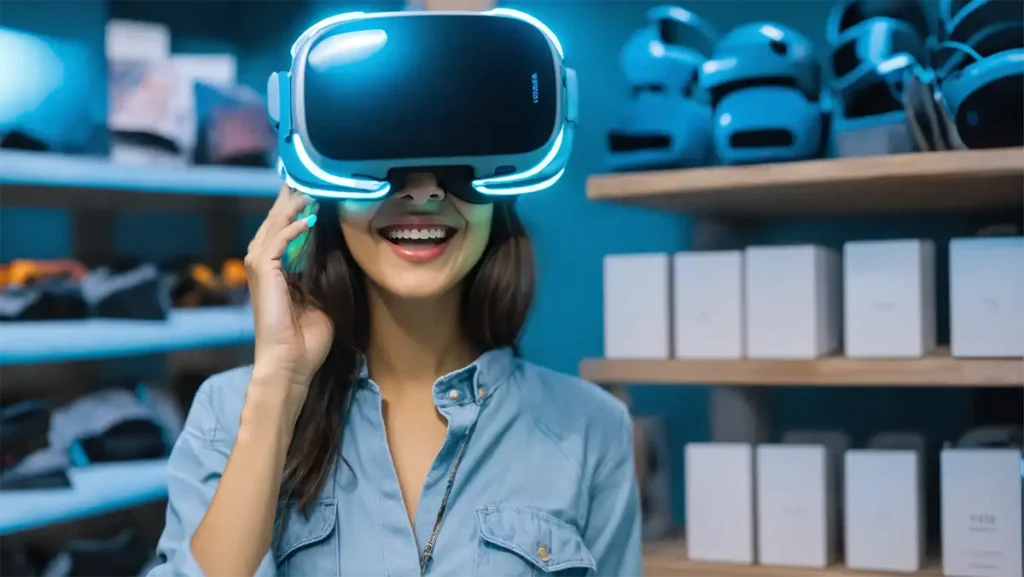
Virtual Reality has become an invaluable tool for social interaction and collaboration. It can create immersive, life-like stories that foster understanding among users, enabling them to engage in meaningful conversations, experiences, and activities while being part of a real-world environment. In recent times, technology such as avatars, 3D environments, haptics, and facial recognition have opened up the possibilities in terms of virtual reality’s potential to be used as a social technology.
The use of virtual reality as a social tool allows for more realistic interactions, creating opportunities for people to come together outside of their own physical locations. For example, health care providers and their patients can communicate face-to-face using VR headsets – eliminating the need for travel. This type of communication provides an opportunity to learn more about each other’s culture and lifestyle without any geographical distance. Additionally, students and teachers are utilizing virtual classrooms to continue learning beyond the classroom walls. Virtual lectures and field trips provide new ways to help students understand complex concepts without ever leaving their homes.
However, virtual reality also has its critics who argue that it is yet another way to keep people isolated from each other. They point out that although virtual reality offers the ability to interact with others remotely, the lack of physical connection could cause people to become even more alienated from one another. Additionally, they say that the focus on high-tech gadgets could take away time that could be spent connecting with friends and family in person or engaging in outdoor activities together.
Despite these arguments, research increasingly shows that virtual reality can bring people together while providing an opportunity to explore and connect through creative narrative worlds. Virtual reality has been successfully used animators to collaborate on projects or during gaming tournaments. It also brings family members closer no matter where in the world they are located by allowing them to explore exotic destinations together without needing an actual passport or airplane ticket. Finally, businesses benefit from VR by allowing customer service agents to provide personalized service because they can adjust the product understanding levels in real-time depending on what customers need or want.
Overall, virtual reality provides an innovative platform for individuals, families, and businesses alike to interact and share ideas in a simulated environment without boundaries. As technology continues to evolve, this technology will only become even more ingrained in our culture and our social development landscape.
Common Questions and Responses
What types of virtual reality social networks are available?
There are a variety of virtual reality social networks available today, from more traditional social media platforms like Facebook’s Oculus Platform to newer, dedicated virtual reality apps like vTime and JanusVR. On platforms like Facebook, users can interact with friends and family in a virtual world similar to that of the physical world.
On dedicated VR apps, users can join rooms with up to 7 other people from around the world to converse, explore, and play games together in an immersive virtual environment. Some of these programs even allow users to draw and sculpt 3D objects while they chat! Additionally, there are a number of educational apps that let students or curious explorers journey through virtual museums or simulations to better understand certain concepts. No matter what type of socializing you’re looking for, there’s sure to be a virtual reality social network for you out there.
How is virtual reality social networking different from traditional social networking?
Virtual reality social networking is drastically different from traditional social networking because it enables users to experience activities and interact with others in a comprehensive 3D environment. This means that, instead of merely posting images and messages, VR social networks allow users to actually explore a shared virtual world.
Activities such as travel, education, shopping, or gaming all become much more immersive when made available in a digital environment. Users will be able to collaborate on projects like never before and can even enjoy working out together from the comfort of their own homes. Additionally, the power of augmented reality combined with virtual reality technology creates an entirely new level of engagement for its users in comparison to that of traditional social networks.
What benefits do virtual reality social networks provide to users?
Virtual reality social networks provide users with a number of unique benefits. Firstly, VR social networks give users the ability to access and explore a completely new type of digital environment, providing them with the chance to experience things in ways not otherwise possible with traditional media. On VR social networks, users can interact with other people from all over the globe, which can help increase their sense of connectedness and understanding.
This also enables them to make friends with people they may not have been able to before due to geographical boundaries. Additionally, VR social networks allow users to remain anonymous as they explore different topics or express opinions without fear of backlash or judgment. Finally, these platforms provide users with unique and immersive environments to play games and engage with others online in an entertaining way that could be beneficial for improving strategic thinking skills.


Convert VR Video to Normal Video
VR video is a unique format that requires specialized viewing equipment. It consists of timed pictures and is a great way to tell stories that engage audiences.
To convert VR video to normal, add the video to the program. Then, select the VR mode and choose a device-optimized output.

360-degree video
Whether you want to create a VR video for your business or use it to promote an event, 360-degree videos are a great way to get your audience involved. However, it’s important to understand how these videos are made and why they’re so special. A 360-degree video is a film that captures all angles of a scene with one or more cameras. It can be viewed on virtual reality headsets or a standard screen.
In addition to having the flexibility to take your audience on a virtual journey, 360-degree videos can be edited using standard video editing software. This allows you to control the storyline and point the viewer’s attention in a direction that suits your purpose. This makes 360-degree videos ideal for compelling stories and grabbing viewers’ attention.
It’s also worth remembering that 360-degree video files can be quite large. This is because they’re comprised of footage from multiple cameras or lenses, and they need to be stitched together to create a single, spherical image. This can significantly increase file size, especially if the resulting video is high-resolution and/or has a high frame rate. It’s also worth noting that a 360-degree video is not as sharp as a traditional video, so you may need to apply some post-production sharpening.
You can try to reduce the file size by compressing it with a codec such as h.264, but this won’t be possible for all spherical 360 videos, as some may require a stitch zone that can’t be compressed (or the resulting video might be too pixelated). It’s also worth remembering that 360-degree videos can still be girthy, even when encoded at lower bitrates than traditional videos.
The first step in converting your VR video to 2D is to find a software program that supports this format. There are many available programs, but it’s best to use a paid program offering reliable support and a good reputation in the industry. You can download a free video conversion app from the Google Play Store, but these apps are often bombarded with ads and will slow down your device.




2D video
While two-dimensional (2D) videos are flat and only measurable by height and width, 3D videos have depth. This depth makes them more engaging for viewers and is often preferred by consumers. However, creating a 3D video requires more time and effort than 2D videos. In addition, consumers often find it hard to wear 3D glasses for long periods. Therefore, many people choose to convert 2D videos into 3D.
The video combines paper-crafting techniques with digital animation to create a visually appealing and awe-inspiring world. The attention to detail and craftsmanship that went into the creation of this video is apparent throughout the entire piece, and it has garnered numerous awards and accolades, including a Cannes Lion and Clio award. The video is also notable for its ability to tell a story without dialogue, allowing the audience to interpret the video on their own terms.
This 2D-to-3D conversion software is easy to use and supports all popular file formats. It also lets you preview a video before the official conversion and supports various viewing methods, including Zalman 3D monitor, Google Cardboard, Free Viewing, and Oculus Rift/Quest. In addition, it supports batch conversion and can save high-quality output.
Several different tools are available to help you convert your 2D videos into 3D, but the most common and reliable is the free program IQmango. This program offers a variety of options and can be used to convert 2D videos into anaglyph, side-by-side, or top and bottom formats. It also offers several settings to adjust the converted video’s depth, format, and quality.
Another option is to use a professional VR-to-2D converter. This type of software enables you to create a 3D effect by using the left and right eye to view the same image simultaneously. This technique is particularly useful when converting 2D videos into a VR experience. To do this, you need to input a value of 960px in either the left or right box. Then, click the “Generate 3D” button to finish the conversion process.

3D video
VR video is a new immersive technology that uses cameras to create a realistic virtual environment. It can be used for gaming or documentaries to bring people to places they couldn’t normally go. It can also be used to help patients understand their condition and treatment.
This technology can be quite expensive to produce, but it can also impact the audience. The technology is still being developed but will eventually be available to all audiences. VR video can be viewed using various devices, including mobile phones and TVs. However, most people are likely to view it through a VR headset.
VR videos are a great way to get viewers excited about a subject. The images they see are a bit like what our eyes perceive when we look at the world around us. The images can even be manipulated so the viewer can look around and see other scene elements.
To shoot a VR video, the camera must be stable and must be able to capture all of the necessary footage. This can be difficult, and planning the shot carefully before you start shooting is important. In addition, it’s essential to know what kind of effect you want to create and have a plan for how you will edit the video.
One of the most common ways to convert a 3D movie into 2D is by stacking two movies side-by-side in the timeline. This will cause the movie to have an anaglyph, or red and cyan, effect. Another option is to use a software tool to import and export an anaglyph file.
Some platforms don’t cater for VR videos, so having a normal version of your video is important. The good news is that converting a VR video to a regular video is fairly simple. This can be done with a professional editing program, such as VideoStudio. Using this software, you can easily convert your VR video to a normal format and share it on social media.



VR headset
VR video is a specialized format that requires a special headset to view it. It is intended to transport the viewer into another world and create a fully immersive experience. However, not everyone has access to a VR headset, and it is often more convenient to convert VR video to normal video so that it can be viewed on more traditional devices. This can be done easily using a VR video converter.
The best VR video converters are software programs that allow you to import, edit, and output your VR videos. These programs also include features for enhancing and converting 3D and 2D video files. The process is relatively simple and can be completed in a few steps. The first step is to import your VR video and choose your desired options. Then, click the Convert button to complete the process.
Once your VR video is converted to normal, you can share it on Facebook or other social media platforms. This will make it easier to reach a larger audience and create a more immersive experience for viewers. In addition, you can save the file in various formats to suit your needs.
Virtual reality is a popular technology in recent years and offers an immersive experience. It can be used in many ways, from cinemas to home entertainment systems. There are even VR-equipped smartphones that can play 360-degree videos. Several apps on the App Store are designed to make your videos more immersive and entertaining.
A good VR video converter will provide a wide range of supported formats and offer optimized presets for mobile devices, gaming consoles, and VR headsets. It can also perform basic video editing tasks and add effects. Moreover, the encoding process is accelerated by unique hardware acceleration technologies. This will allow you to convert large-sized VR videos at a faster rate.
Fortunately, there are VR video converters available for Mac and Windows that can help you turn your standard video into a virtual reality video in three easy steps. The program can also adjust the VR conversion to accommodate different field of view variances for each type of headset. Besides, this software will let you choose between anaglyph, side-by-side, or top-down VR viewing modes.

Experience Amped Virtual Reality: A Complete Guide
Experience Amped Virtual Reality? Now, that’s a door I never imagined unlocking before! Virtual Reality has finally been made accessible and manageable for the average person, meaning we can all transport ourselves to a different world without the need for a supercomputer or graphics card bigger than a toaster!
This post will be a complete guide to the world of Amped Virtual Reality: from where you can get access to it, to the gear you need, and ultimately what to expect once you’re immersed in the virtual world. With all the VR craziness out there, it can be a bit overwhelming to stay on top of the tech, but I’m here to break it down for you in easy to digest chunks of knowledge. So stick with me, and I guarantee by the end of this post you’ll be ready to dive into the world of Amped!
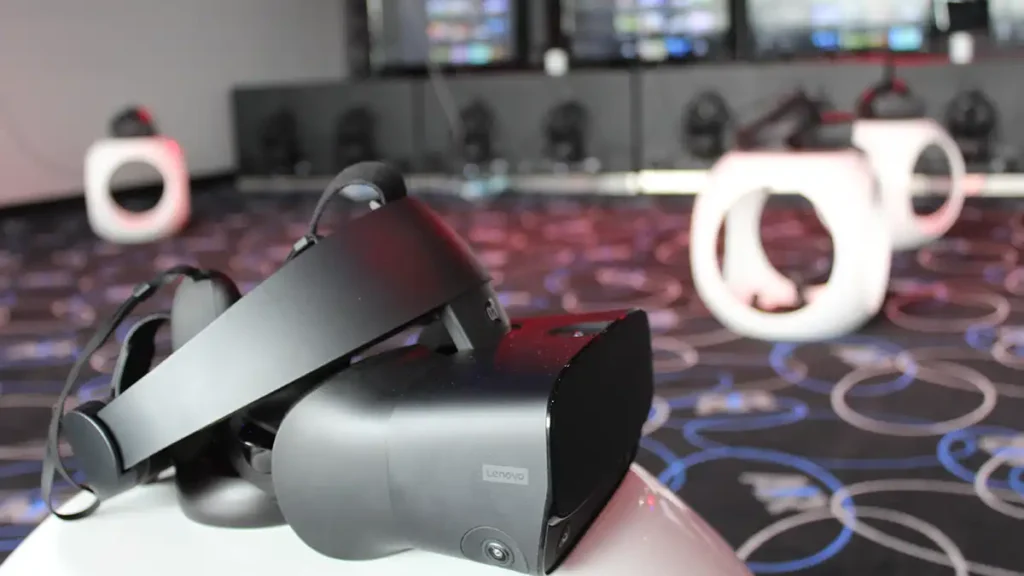
What is Amped Virtual Reality?
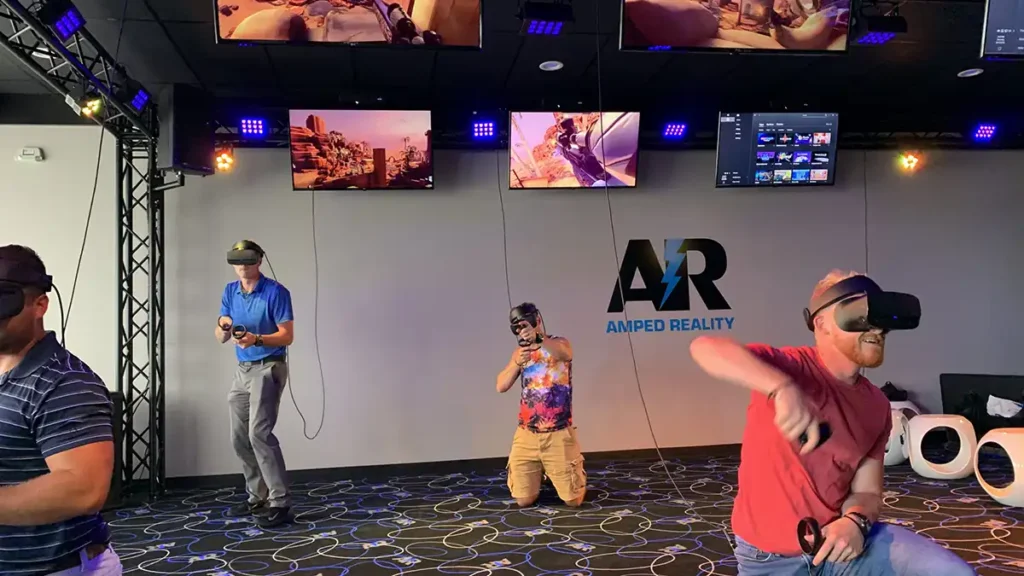
As technology advances, so do the opportunities for people to explore and experience new forms of entertainment. Amped VR is one such form of emerging technology that has taken the world by storm. It is a complete package which includes a high-end headset, tracking device, and software to create a truly immersive virtual reality experience.
On one hand, this trifecta offers an incredible way to explore, interact, and be entertained as it allows users to interact with 3-dimensional objects in a simulated environment. This can open up many possibilities for gaming, professional training, and more with incredibly realistic views. On the other hand, it does require additional hardware investments to fully enjoy these experiences which may not be feasible for everyone’s budget. Moreover, because of the still-emerging technology behind it, there are still some kinks that need to be worked out in order for greater experiences to be unlocked.
Despite the drawbacks though, the positive potential applications from using Amped VR can’t be ignored. From its ability to help individuals learn important skills faster through AR simulations or its capacity as an interactive tool between friends across different parts of the world – its potential is evident. Moving forward into the future then, it is likely that more developments will be made in this field unlocking even greater opportunities and experiences than those currently available.
Having said all that about Amped VR now gives us a general overview of this revolutionary concept. After getting an understanding of what it brings to our lives let’s now look at what benefits we can gain from it moving ahead – namely, The Benefits of Amped VR.
Studies have found that virtual reality can help improve focus, reduce stress and anxiety, and boost overall emotional wellbeing.
A study of 38 participants published in 2019 found that virtual reality technology was effective in reducing fear and symptoms of PTSD (post-traumatic stress disorder).
Research has shown that users who play virtual reality games have increased cognitive skills, including improved problem-solving skills and better hand-eye coordination.




Most Important Points to Remember
Amped VR is an emerging form of technology that offers an immersive virtual reality experience. It offers potential applications for gaming, professional training and more, but does require additional hardware investments. There are still some kinks that need to be worked out in order for greater experiences to be unlocked, but the positive potential applications from using Amped VR can’t be ignored. Moving forward into the future, it is likely that more developments will be made in this field unlocking even greater opportunities than those currently available, with the benefits of Amped VR being realized.
The Benefits of Amped VR
The potential benefits of Amped VR become even more apparent when compared to traditional virtual reality platforms. Amped VR delivers an unparalleled level of realism to users, with full positional tracking that uses both infrared and ultrasonic technology. This means that the activity or game in the 3D environment feels incredibly close to reality. As if you were actually there in the virtual environment, you will experience realistic movements and be able to interact within the context of the game or task. What other VR systems may lack in accuracy, Amped VR makes up for with its ground breaking tracking system which provides an incredibly immersive experience.
Moreover, Amped Virtual Reality is designed with accessibility in mind. It allows amputees with disabilities to fully participate in activities that they may have been excluded from before due to their physical impairment. The ability to customize hand and limb designs ensures that everyone can join in on the fun, regardless of their physical condition.
In addition, Amped Virtual Reality is compatible with many mainstream headsets such as HTC Vibe and PlayStation VR for even more convenience. With its cutting-edge features and flexible compatibility, it’s no wonder why so many are making the switch to Amped VR.
With so much to offer in terms of realism and accessibility, users can take advantage of all that Amped VR has to offer. But one feature stands out among the rest: advanced 3D audio effects which allow you to truly immerse yourself in the virtual world like never before.
Advanced 3D Audio Effects
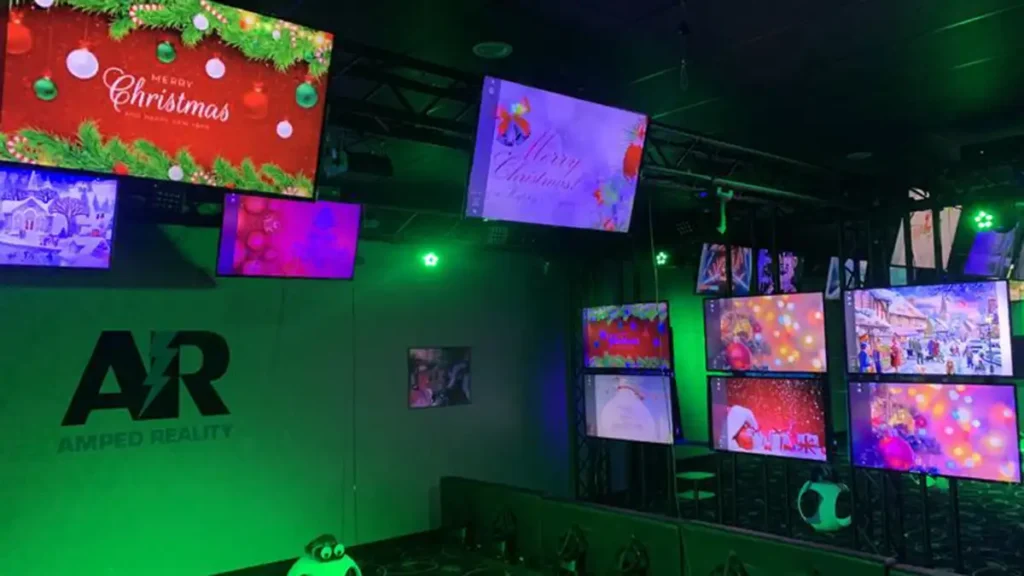
Amped VR provides users with the next level of virtual reality audio. With its advanced 3D audio effects, you can enjoy realistic and immersive soundscapes that are far more sophisticated than other VR systems. From footsteps to thunderclaps, all manner of sonic delight awaits.
Some debate exists over whether or not these effects are mandatory for a full and immersive experience. On one hand, some might argue that they are merely a superficial addition, taking away from more essential elements of virtual reality. On the other hand, it’s difficult to deny how significantly the 3D audio effects add to the overall enjoyment of Amped VR – immersing you in a vivid and convincing world. People who have experienced Amped VR often remark on how well the auditory environment conveys realistic emotion and intensity.
Beyond furthering immersion by making us feel as if we really are somewhere else, additional soundscapes also aid navigation during gameplay. That makes it easier to figure out exactly what’s going on in our virtual worlds, as well as where things and people should be located at any given moment – invaluable information during certain types of gaming scenarios.
The benefits of advanced 3D audio effects become clear when we put ourselves in a virtual environment; proving how integral sound is to the overall success of virtual reality experiences. As we journey ever deeper into our favorite digital playgrounds, we’ll likely be treated to an ever grander symphony of soundscapes. After all, what’s a journey without an accompanying score?
Whether it’s revving engines, singing birds, chimes ringing in the wind or whispering voices from another world – through intricate 3D audio effects Amped VR seeks to bring us ever closer to a satisfying escape from reality. Now let’s delve into just what makes these virtual experiences so captivatingly immersive…

Immersive Virtual Experiences
Immersive virtual experiences are a major part of Amped VR. By leveraging advanced 3D audio effects, user interfaces, and motion tracking technology, Amped VR can create the feeling of being inside an entirely new world. Every aspect of the experience is tailored to draw the participant in further, with realistic visuals as deep and detailed as one’s imagination can allow.
The impact and potential reach of these immersive virtual experiences are immense, ranging from educational tools for teachers to exciting corporate team-building activities. While some may argue that virtual reality could replace physical interactions altogether, there is no denying its abilities in augmenting the physical world we inhabit. For instance, when using Amped VR, users will feel part of an environment and experience creative opportunities that may not be achievable outside of a virtual space.
Immersive virtual experiences provide a unique platform for collaboration between people regardless of their physical location, creating infinite possibilities either through entertainment or professional applications. With more immersive digital environments being brought to life in Amped VR than ever before, it cannot be ignored as a powerful tool that has the potential to revolutionize our culture and society as we know it.
Regardless of how one may feel about virtual reality, it is clear that Amped VR offers individuals an escape to new realms and lets us unleash our creativeness in ways never thought possible before now. As we move on to explore how Amped VR allows us to construct our own virtual worlds and share them with others seamlessly, we can gain a better understanding of what this technology truly has offer in terms of potential applications.

Creating Virtual Worlds with Amped VR
The creation of virtual worlds is an integral part of the Amped VR experience – offering endless possibilities for exploration and discovery. With a few clicks, users can easily create an interactive 3D world populated with avatars, objects, landscapes and more. This functionality allows for an unparalleled level of customization and encourages users to become virtual world architects.
For those interested in creating virtual worlds within the Amped VR software, there are several tools available. The “Create” tab enables users to create their own objects and custom avatars, as well as modify existing ones. There are also specialized plugins which can be used to add special effects like snowstorms or rain showers. Additionally, Amped VR allows users to craft their own interactive storylines with branching options using its built-in scripting editor. With these expansive capabilities, the only limit to what one can build within a virtual world is their own imagination.
On the other hand, crafting an immersive virtual reality experience requires much more than simply creating 3D models and plugging in scripted events. To truly capture a realistic environment, attention to detail is essential – from designing believable characters to designing interactive animations that move fluidly through the digital space. Crafting landmarks and building environments with a level of realism that feels persuasive to the user requires time-consuming labor and a great amount of artistic skill on the creator’s part. Furthermore, developing complex mechanics and crafting an engaging storyline requires deep intuitive understanding of psychology, game design principles, storytelling techniques, and coding know-how.
It is clear that crafting unique virtual worlds within Amped VR requires time and dedication – often lots of it. Nevertheless, when done correctly such efforts can pay dividends in the form of captivating experiences that leave long-lasting impressions on user’s minds. By having the power to shape infinitely malleable digital spaces through imagination and technology, the possibilities offered by Amped VR become boundless. As a next step in our exploration into this fascinating technology, we will take a closer look into some of the hardware and software available for use with Amped VR.
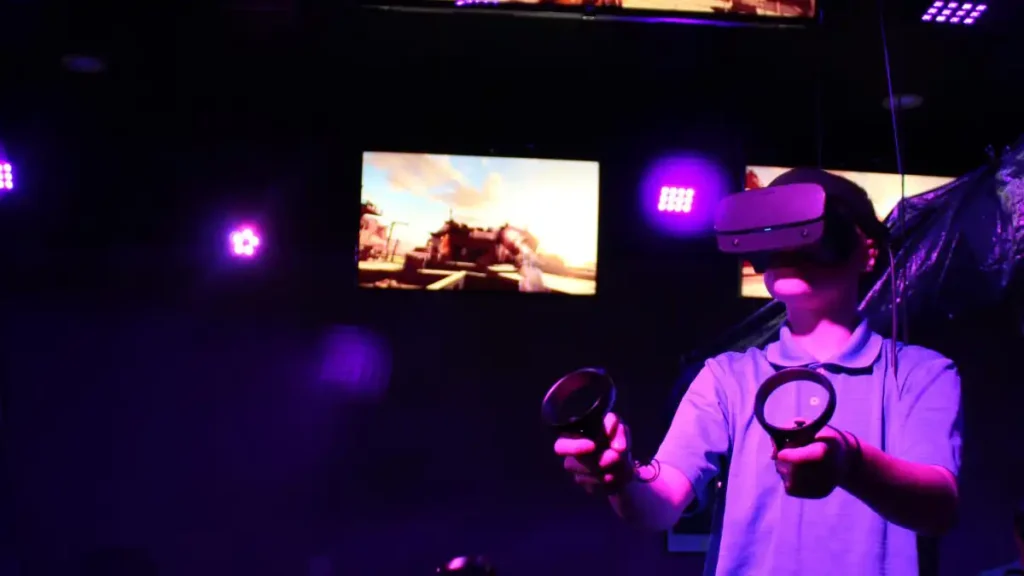
Software and Devices for Amped VR
The previous section discussed the necessary means for creating virtual worlds with Amped VR — now we turn to the software and devices you will need in order to run and experience these virtual worlds. There are two primary device options for those interested in exploring Amped VR: high-end gaming consoles, including Xbox, PlayStation, and PC systems; and standalone virtual reality (VR) headsets such as Oculus Quest 2, HTC Vive, or even Google Cardboard. Some users may debate which device is better or more cost-effective in terms of performance; however, both types of hardware can provide a rewarding experience with Amped VR.
The software that powers this functionality is changing rapidly — a continually growing suite of tools are available to fine-tune Amped VR’s environment settings. One advantage that comes with developing for Amped VR is compatibility; once your app/game is built with the Amped VR SDK, it will work with any of the leading console or headset device hardware. This makes distributing your content to an ever-growing global audience easier than ever.
No matter your choice of devices — whether PC gaming platforms or standalone headsets — users have proven time and again that the remarkable performance of Amped VR is worth every penny spent on hardware and software alike. Now that you understand your hardware and software options when producing virtual experiences with Amped VR, let’s move on to examining some amazing applications of this groundbreaking platform.
Applications of Amped VR
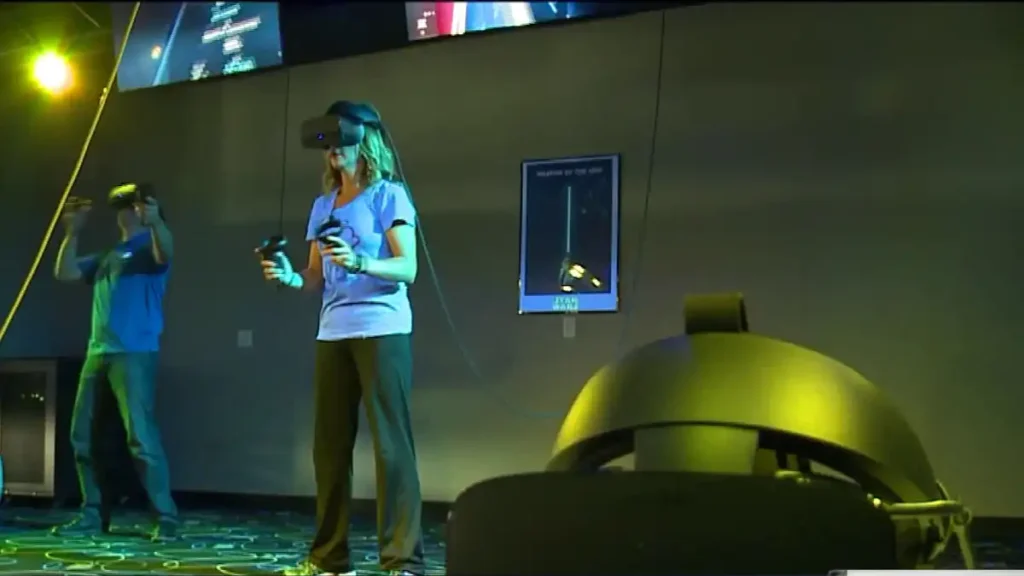
The applications of Amped Virtual Reality (VR) are extensive and can be used for a variety of purposes. VR technology has revolutionized the way we experience the world around us by providing a unique immersive environment that allows users to interact with their surroundings in ways that were not possible before. Amped VR is no exception, as it offers an array of application possibilities, allowing individuals to work remotely, explore distant environments, collaborate on projects in real-time, and much more.
In terms of collaboration, one application of Amped VR is its ability to enable remote teams to work together virtually. Teams can use the virtual environment to share resources, discuss ideas, and provide feedback in real-time without ever having to physically meet. As such, this type of collaboration is especially useful for global companies who may have employees located all over the world. Additionally, companies can use social networks built into Amped VR to help facilitate communication between team members from different locations.
Another application of Amped VR is its applicability in the educational realm. With its 3-dimensional environment, educators can create virtual labs where they can develop lectures for students and give practical demonstrations that students would otherwise not have access to. Additionally, many universities now offer online courses that can be taken completely from within a VR setting using Amped’s technology. This allows students to get more out of their online learning experience as they can take notes while being immersed in a virtual classroom.
Finally, many artists have begun utilizing Amped’s technology to create interactive artwork. These works often involve placing viewers in various virtual environments which serve as a canvas for their creations. These types of interactive artworks have proven popular among viewers as it provides them with new and exciting ways to experience art appreciation. Additionally, these types of artistic performances are often shared online through live streaming or virtual reality broadcasts which further expand their reach.
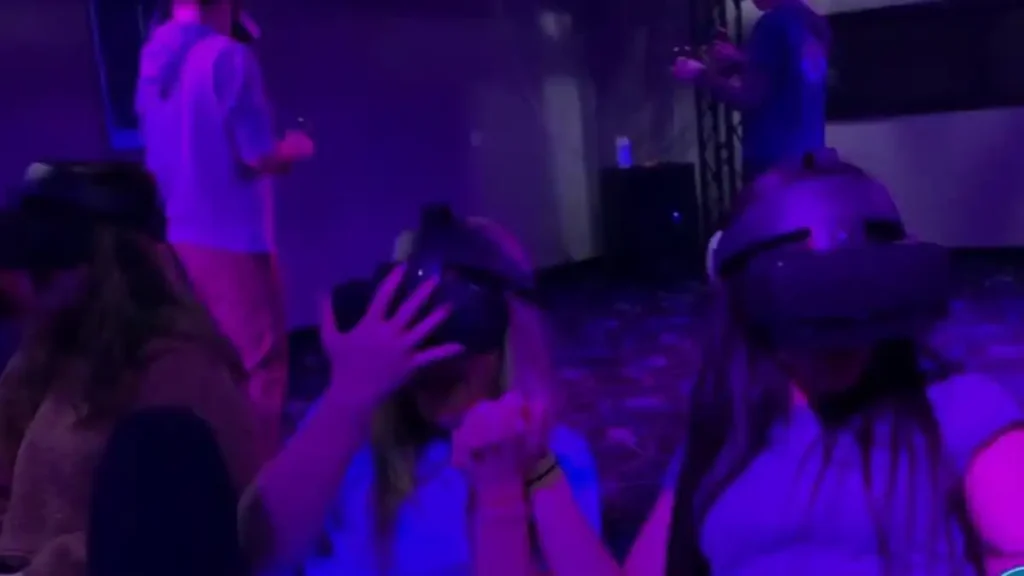
In summary, the applications of Amped Virtual Reality are vast and extremely beneficial for businesses, educators, and creators alike. With its ability to enhance collaboration between remote teams, facilitate virtual learning environments for students across the world, and inspire creative minds through interactive artwork, Amped’s technology offers a multitude of opportunities for individuals to explore and experience their surroundings in ways never thought possible before.

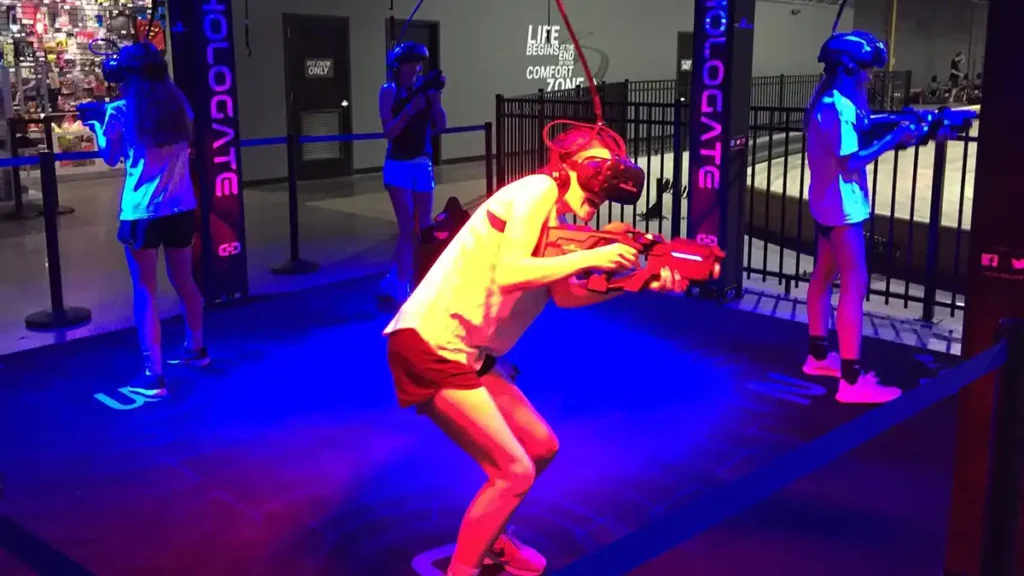
Common Questions
What hardware is required to use Amped Virtual Reality?
In order to use Amped Virtual Reality, you will need a compatible computer or console system with modern hardware. You will need a CPU of at least 2.5 GHz or faster, 8GBs of RAM, and a graphics card with at least 4GBs of dedicated memory. Additionally, you will need headphones or earbuds with a microphone, wired or wireless controllers, and a detailed graphic user interface (GUI). Finally, you will need a monitor that can support a resolution of at least 1920×1080 in order to take full advantage of the features available within Amped Virtual Reality.
What type of applications can utilize Amped Virtual Reality?
Amped Virtual Reality (VR) can be used to create a wide range of different types of applications. From immersive educational experiences and training simulations to interactive gaming and entertainment, the potential for VR is practically limitless. Companies in fields such as healthcare, architecture, retail, tourism, defense, automotive engineering, manufacturing, and military training are increasingly using VR to create unique ways for their customers to learn more about their products/services or even experience them first-hand in a virtual environment.
Beyond knowledge-based applications, VR can also be used for marketing purposes. By immersing themselves in a brand or product’s virtual world, users can gain an even deeper understanding and appreciation for it than through traditional forms of marketing. With its high level of immersion and interactivity, Amped Virtual Reality can completely revolutionize the way companies engage with their audiences – creating an entirely new way for them to make an impact.
What are the potential drawbacks of Amped Virtual Reality?
While Amped Virtual Reality has some exciting potential applications, it also has some drawbacks that should be taken into consideration. Some of the drawbacks include:
- High Cost – Buying and using an Amped VR system can cost a considerable amount of money.
- Limited Availability – Not all games and applications are available for Amped VR systems, as it is still a relatively new technology.
- Possibility of Feeling Disconnected – Immersive virtual reality can sometimes leave the user feeling disconnected from the physical world, making it difficult for them to transition back into reality after playing.
- The Risk of Injury – If not used correctly, there is a risk of injury when using an Amped VR system due to its ability to make the user feel like they are actually in a different environment.
- Potential for Eye Strain – Using headsets can strain eyes and cause fatigue if inadequate breaks are not taken between sessions.
How does Amped Virtual Reality work?
Amped Virtual Reality (VR) is a technology that allows users to experience a simulated, 3D environment. It uses headsets and other specialized hardware to create an immersive experience for players, making them feel as if they are stepping into another world. It also utilizes motion tracking systems and specialized controllers to allow for natural movement within the virtual space. To further enhance the experience, modern VR systems often include haptic feedback which allows users to feel interactions with virtual objects and environments in real-time. This makes virtual experiences more realistic for players, blurring the lines between what’s real and what’s artificial.
What are the benefits of using Amped Virtual Reality?
The benefits of using Amped Virtual Reality are numerous and varied. With Amped Virtual Reality, you can experience a completely immersive, realistic virtual reality environment. This includes features such as highly detailed visuals and sound, accurate physics simulation, and direct interaction with the environment. By accessing environments that would otherwise be impossible to enter with traditional gaming and simulation tools, users can enjoy experiences they could never have in real life.
In addition to entertainment value, there are many practical applications of Amped Virtual Reality for various industries including healthcare, education, manufacturing, military training and much more. For example, healthcare professionals can use Amped VR to simulate difficult surgeries or medical treatments without risking the patient’s safety. Educators can create interactive learning simulations to engage students in meaningful ways outside of the classroom. The military can use Amped VR to train personnel in a safe environment with highly realistic simulations. Overall, Amped Virtual Reality provides an unparalleled level of immersion and realism that can be utilized across industries to create unique interactive experiences.

NBA VR Schedule
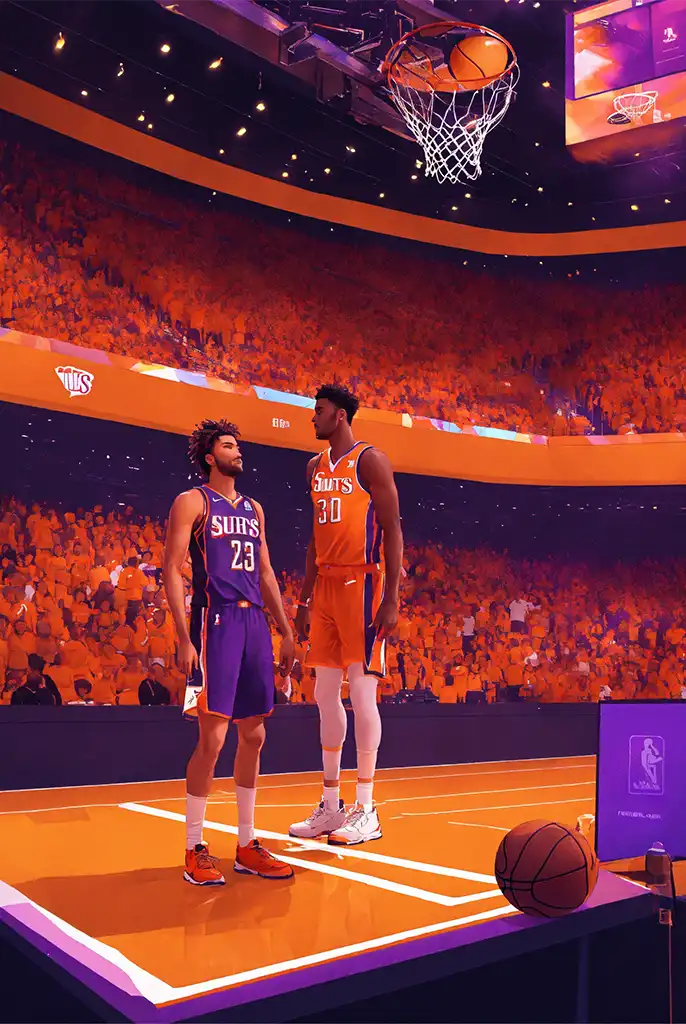
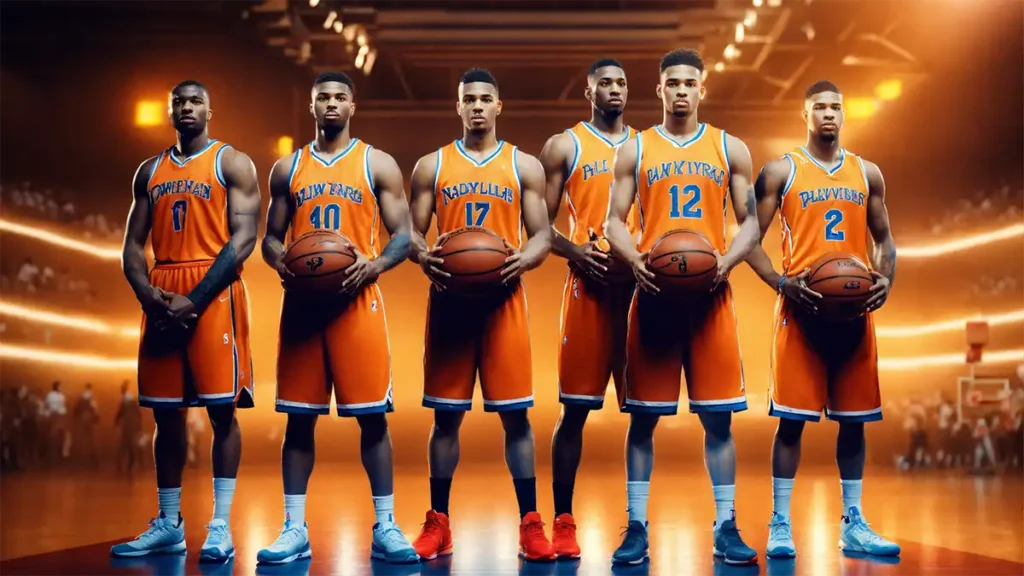
NBA fans can get front-row seats to games in VR this season. The NBA is expanding its virtual reality broadcasts to include all 52 games in Xtadium and Meta Horizon Worlds. The virtual experience is free, but users need a compatible headset and an NBA League Pass subscription.
The immersive 180-degree VR games transport fans from their couches to courtside seats. In Xtadium, they can also suit up their Meta Avatars in NBA gear.




Meta Quest
The Meta Quest is one of the most popular VR headsets. The headset has recently been updated with a new software update that makes the device faster and more comfortable. It also offers improved performance, including up to a 26 per cent increase in CPU speed and 19 per cent GPU speed. This significant upgrade will likely encourage more people to try VR.
The NBA has partnered with Meta to stream live games in virtual reality. Fans can watch the games in Xtadium, an interactive NBA arena, or Horizon Worlds, a social VR environment where players can play epic games and unlock avatars. NBA fans can also watch on-demand NBA games and highlights in Xtadium. The NBA will be streaming 52 free NBA games in Stadium this season and will also offer NBA League Pass in a social VR experience.
Those who want to see the games more immersively can visit the dedicated NBA Arena on Meta Quest or purchase digital NBA apparel at the Meta Avatar Store. However, the NBA has made it clear that these experiences are geo-restricted. If you are not near a physical event, you must watch on TV or Oculus TV instead.
Aside from the Xtadium and Horizon Venues, plenty of other games on the Meta Quest exist. These include Asgard’s Wrath 2, Ghostbusters: Rise of the Ghost Lord, PowerWash Simulator, and Assassin’s Creed Nexus. These games are available at launch and will work with Quest 2 and 3.
The Meta Quest is an impressive technology that can transform the workplace. It can be used for virtual collaboration, 3D modelling and design, and more. This is especially useful for product design, architecture, and engineering companies. This technology can save time and money by allowing teams to collaborate remotely. It can also help improve decision-making by enabling users to visualize products and design changes in real-time. This can be an extremely powerful tool for businesses that want to stay competitive in the crowded VR industry.

Xtadium
The NBA has extended its partnership with Meta to broadcast 52 live games in virtual reality on the Meta Quest headset. These games will be available in the Stadium App on Quest and the NBA Arena in Meta Horizon Worlds starting November 17. NBA fans can watch these games in VR with friends and cheer for their favourite team.
This season, every game shown in Xtadium and on the Meta Horizon Worlds app will be filmed in immersive 180-degree VR, an upgrade from last year’s five immersive games. Also, fans can host their Xtadium Watch Parties by inviting friends to join them in private party rooms as avatars, which helps foster a social sports experience during game nights. The Stadium app will allow multi-game viewing and offer game highlights, recaps, and archival footage.
Users must have a valid NBA League Pass subscription to view the Xtadium and Meta Horizon World content. This includes the base subscription (Long Term) and the monthly and annual premium options. The games will be available for users in the United States, Canada, and parts of Europe, Australia, and Africa.
In addition to watching live NBA games in VR, Xtadium will let users hang out with fellow fans before and after the game. This will be a great way to get excited for the NBA season. Xtadium will also feature virtual merchandise and other augmented reality experiences.
Xtadium is free to download and comes packed with free NBA game content, but it will eventually require a virtual ticket to access premium content. The virtual tickets can be purchased in the Xtadium app or directly from the NBA website. Users may encounter problems with video playback if their headset’s IPD (interpupillary distance) is not properly configured.
Xtadium, the official virtual reality platform of the NBA, offers the most authentic viewing experience possible in VR. It features the real NBA courtside seats and the same cameras that film in-person games. Its holographic graphics will provide an immersive viewing experience and a realistic feel. The app is compatible with the Oculus Rift and the HTC Vive. It is the most authentic and interactive way to watch a basketball game, and it allows you to interact with other players during the game.

Horizon Venues on Quest
If you have a Meta VR headset and a Quest 2, you can get courtside seating for NBA games this year by using the new Horizon Venues app. You can watch a game with friends and key into exclusive play-by-play commentary from former NBA champion Richard Jefferson and sportscaster Adam Amin. In addition to basketball, you can also watch other live events, including concerts, comedy performances, and more.
This new experience combines two existing Meta apps: Xtadium and Horizon Venues. It will bring you closer to the action than ever before with high-quality video, and it can be used with your headphones or a headset. This week, it will be available in the NBA Arena section of Horizon Worlds and Xtadium. You will need a paid NBA League Pass to watch Xtadium or Horizon Venues games.
Originally known as Oculus Venues, Horizon Venues is a social virtual reality space where you can hang out with friends and watch various events. This includes marquee music, sporting events, yoga classes, and meditation sessions.
In addition to a full range of activities, the app has integrated social features such as group chat and photo capture. It also supports Oculus Touch, a motion controller system enabling you to reach out and wave your hands as if at an event.
The standalone Venues app will be retired on June 6, and users who don’t have a Quest 2 will lose access to the program. However, they can still attend events in Horizon Worlds, which has other event spaces such as the Horizon Workroom and Horizon Home living room.
Facebook has also announced a new feature called Personal Boundary, which will let you set a distance between your avatar and other people in the VR environment. This will be available for Horizon Worlds and Horizon Venues today, making it easier to avoid unwanted interactions.
NextVR
The NBA is partnering with NextVR this season to stream 27 games in virtual reality. The games, including the Oculus Quest, will be available to NBA League Pass subscribers on VR headsets. The NBA and NextVR will offer a new experience each week this season that includes announcers, in-game analysis, and in-arena entertainment. The VR broadcasts will also feature dynamic stats and a user-selected point of view.
Founded in 2009, NextVR is a company that specializes in recording live events and streaming them to virtual reality headsets. It has a laundry list of high-profile partners in sports and entertainment, including Live Nation (NYSE: LYV), WWE, Fox Sports, and the National Basketball Association. The company is based in Orange County, California and has over 40 patents for a process that upscales high-quality video streams for VR headsets.
NextVR is a VR event capture and delivery technology company that combines stereoscopic 3D TV, multi-user interactivity and immersive VR content to create a lifelike, interactive experience. Its AVTR platform can capture live HD or 3D VR content and distribute it over the internet in a scalable, low-latency manner. The company can deliver live VR broadcasts to multiple devices at once and is used by leading media companies to support their multi-user interaction and social experiences.
Aside from the NBA games, NextVR is streaming its best virtual reality experiences for Oculus Quest users. The curated channel features a range of titles, from NBA Finals Game Six Highlights with access to the Toronto Raptors locker room celebration to NHRA Drag Racing and Day to Night Timelapse. The content is free to download and is available for all Oculus Quest owners.
The NBA is bringing fans courtside seats in virtual reality every Tuesday this season with its second-season partnership with NextVR. The official NBA League Pass VR partner will continue to stream a top game in virtual reality each week for the entire regular season, beginning tonight with the New Orleans Pelicans against the Houston Rockets at the Golden 1 Center.

Convert VR Video to Normal Video

Experience Amped Virtual Reality: A Complete Guide

NBA VR Schedule

Experience the Thrill of Virtual Reality Movies in Your Home 2024

Giantess VR – Explore a House

Explore the Virtual Reality Social Scene with These Top Platforms
-
 VR Movies3 years ago
Experience the Thrill of Virtual Reality Movies in Your Home 2024
-
 VR Games3 years ago
Giantess VR – Explore a House
-

 VR Games3 years ago
Into the Radius on Meta Quest 2
-
 Virtual Reality3 years ago
Explore Real Estate in Virtual Reality: A Guide to VR Real Estate
-
 Nintendo Switch3 years ago
Unlock the Power of Virtual Reality with Nintendo Switch!
-
 Virtual Reality3 years ago
Vr app for vr shinecon review 2024
-
 VR Games3 years ago
Paradiddle VR – A Virtual Reality Drumming Game
-
 PS4 VR3 years ago
Experience the Future of Gaming with PS4 Virtual Reality